The first time I viewed a group of unfamiliar people arrive at the ranch, shoulders high and eyes down, I understood we would certainly begin with breath, not talk. The horses were already grazing in the reduced pasture, flipping their ears at the wind. Within mins of tipping via the gate, individuals searched for. Equines do that to us. They ask for visibility without words, and they do it kindly. What happens next is what I call belonging based coaching, a means helpful individuals locate solidity inside themselves while standing in actual relationship with pets, land, and each other.
Belonging seems soft until you understand how hard it is to feel like you really belong in your very own body, on a team, or with your household when anxiety, trauma, or a hectic mind has actually been running the show. On the ranch, we build that capacity action by concrete action. We do it through therapeutic horsemanship and equine-assisted services that put relationship at the facility, abilities in real contexts, and neighborhood around the edges for safety and security. Some individuals come for equine-assisted mentoring around management or interaction. Others show up looking for equine-facilitated wellness, specifically when talk-only methods have stalled. We likewise run experiential knowing with horses for colleges and workplaces, and we team up on team building with horses for business that would rather trade one more conference room for a set of interested eyes and four stable hooves.
What it suggests to coach for belonging
Coaching for belonging means the goal is not simply insight, it is combination. People learn what they really feel, what they require, and just how to align their actions with their values, then they try it in a living system where responses is honest. Equines align to quality and credibility. They disengage from combined signals, and they soften when we soften. That is the coaching arc in miniature.
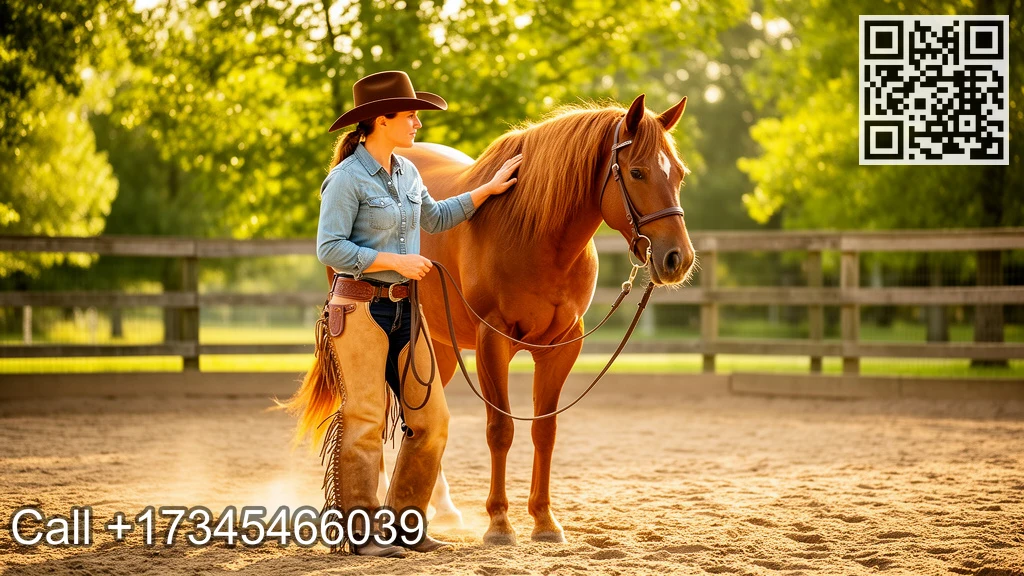
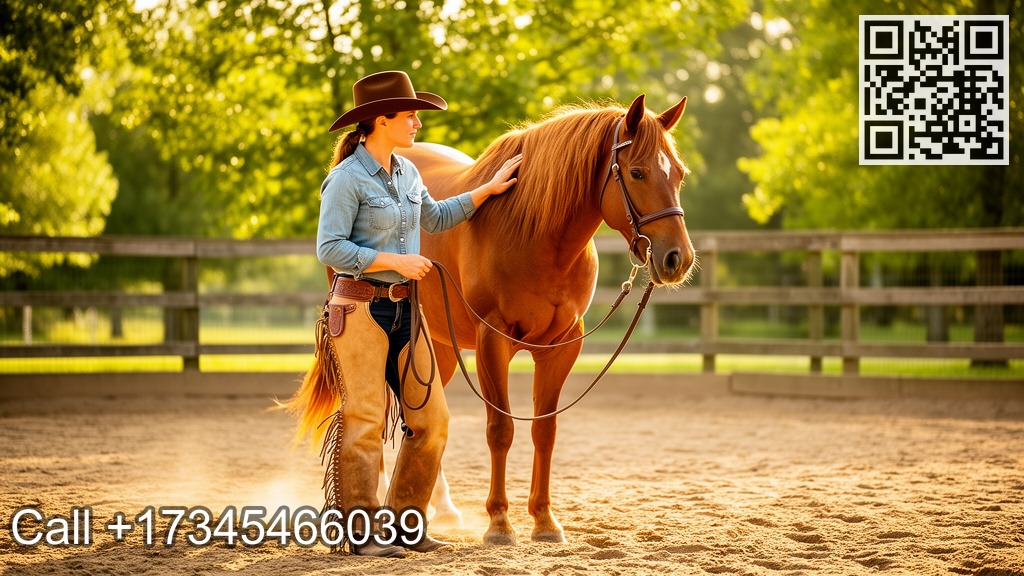
I keep 2 questions before me throughout sessions. Initially, what assists he or she feel safe adequate to show up truthfully. Second, what makes it likely they will exercise this skill in your home, work, or institution. We map sessions to daily life. If a parent is finding out to set restrictions without shame, we exercise directing an equine in a rounded pen with boundaries that are clear and kind. If a manager battles to entrust, we set up a short training course with cones and ask a small group to get a steed from point A to point B without touching the rope, which requires nonverbal control and trust fund. The equine multiplies the lesson by mirroring the team's actual coherence, not their mentioned plan.
Belonging likewise suggests expanding the circle. Some days one of the most recovery hour is on the barn aisle, cleaning a steed together with a retired next-door neighbor who understands every knot in the hay net. Shared work, light conversation, the rhythm of a soft brush on a thick winter layer, these are not side tasks. They are the soil that feeds change.
Why horses
Horses are target pets that endure by attuning to their setting. They review micro-movements and physiology in a manner people frequently override. That sensitivity is not magical, it is practiced. When someone with stress and anxiety walks up, breath high and superficial, an equine might raise its head or step back. If that exact same person shifts to a slower exhale, softens their eyes, and premises via their feet, the steed often mirrors that policy by lowering its head, licking and eating, or closing its eyes. The psychophysiological feedback is immediate and nonjudgmental.
Their dimension matters as well. You can not phony a feeling of control beside a 1,000 pound partner. You need to discover it, after that connect it with clearness and respect. That truth helps individuals alter their assertiveness. A teenager who has actually been called bold can discover to declare room without aggressiveness. A quiet adult can explore quantity and instructions and recognize tranquil management does not suggest small leadership.
I count on steeds since they gently collapse the distance in between what we assume we are doing and what we are really doing. They lighten up toughness we overlook and beam light on habits that require focus. And they do it in a field that scents like yard, not a fluorescent area that scents like stress.
A morning on the farm
By 8:30 a.m., the herd has submitted below the top area to the catch pen. We welcome each horse, halter those scheduled for sessions, and permit others to drift back to forage. A volunteer spreads hay in slow feeders, a small information that establishes a tranquil tone. Clients trickle in by the hour. We maintain the timetable sizable, since rushing ruins attunement.
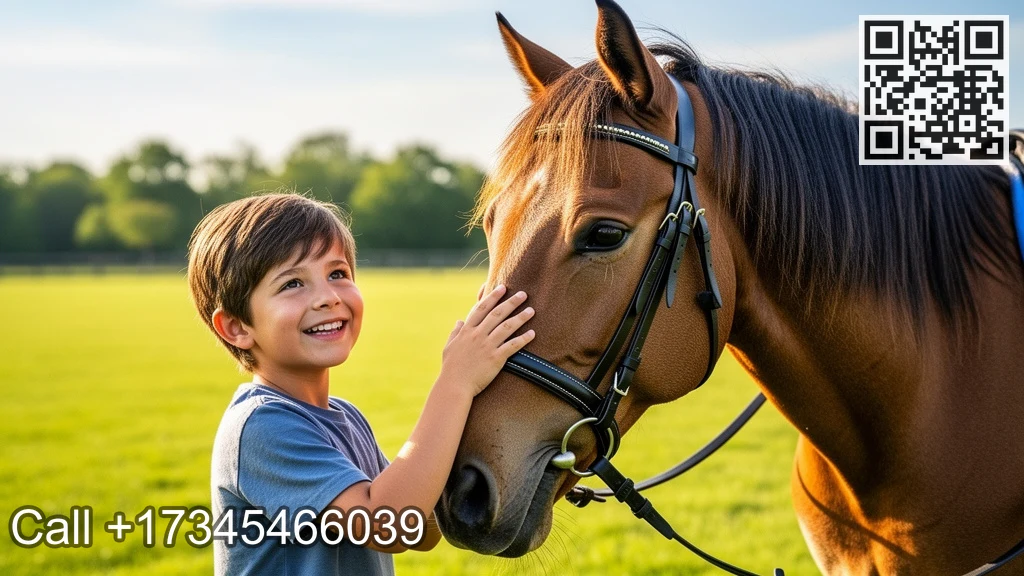
One recent morning, I collaborated with a 12-year-old who has ADHD. He has a hard time most with changes and impulse control at college, where a delay in guidelines develops into a burst of activity that obtains him in trouble. We set a 20-minute task: lead our Haflinger mare via a pattern, pause at cones, then back 3 actions. I gave him a remote control to note his own stops briefly prior to asking her to stop. The pairing changed every little thing. His best session took place when he exercised a half-second time out, clicked, after that asked. The mare mirrored him easily. He completed the pattern with a smile that got to both ears. That is ADHD equine learning assistance in action: realtime comments, a physical support for timing, and a partner who does not take habits personally.
Right after, an adult client came for anxiousness support with steeds. We stayed outside the pen. She stood with one foot on the rail, one on the ground, and tracked her breath while calling what she observed in the pasture. Her homework was to exercise the exact same stance on her front step twice a day. A month later on she stated this was the first time in years she might feel her heart beat sluggish without medications. The ranch did not treat her anxiousness. It offered her a repeatable, somatic entrance to regulation.
What a session looks like
Every program runs in different ways, however this is the core flow I use for equine-assisted activities and equine-facilitated training. It is not rigid. We adjust for age, objectives, season, and energy.
- Arrival and positioning. We stroll the space, testimonial consent and cues, confirm limits, and choose a steed together based upon the day's aims. Groundwork first. We begin on the ground unless there is a solid restorative factor to ride. Skills include leading, generating hindquarters, support, and standing in common stillness. Focused technique. We add a simple obstacle that fits the training goal, such as routing through cones, freedom work in a tiny pen, or a grooming sequence with a details interaction cue. Reflect and link. We debrief with concrete language. What did you see in your body. What did the horse do when you breathed out. Where does this show up in your home or work. Close and treatment. We close with three excellent strokes of a soft brush, offer the equine a moment to launch, and return tack nicely. Care routines matter. They instruct completion.
On team days, this flow ranges. Groups rotate through terminals, and we keep jobs brief so momentum stays high. In team building with steeds, I usually designate one person as the onlooker who can not talk, only document. Their notes end up being gold when we review whose voice filled the room and whose did not.
Ethics, safety, and scope
Good farms do not treat steeds as tools or people as jobs. They hold a strong safety culture and a clear range of method. Our strategy blends healing horsemanship with mental wellness practices, however we are not a hospital. When clients require clinical oversight, we collaborate with certified providers. When the job is training as opposed to therapy, we note that clearly and prevent wandering right into locations ideal managed by a clinician.
We display for red flags. Fresh head injuries, unrestrained seizures, and intense psychosis are not proper for this setting. We check for allergies, background with pets, and compound use that might hinder security. We likewise ask about what helps someone cool down and what does not, after that we develop from there.
Horses need treatment as well. Procedure needs to not overload a sensitive gelding or put an eco-friendly mare in a leadership duty she is not all set for. We rotate equines, provide downtime, track their weight and unguis, and pay attention to our wranglers when they state a horse is tight or cranky. That is not superstitious notion, it is information from people who check out the herd daily.
Somatic knowing, not simply talk
I love language, however bodies discover best by doing. Somatic healing with steeds turns up in the little minutes. A motorcyclist notices her jaw and tummy soften when she matches the equine's stroll. A male with an injury background feels his spinal column extend when he discovers a clear of course in his lead rope as opposed to a pulled command. These are not one-off miracles. They are repeatings that build new patterns. Research study on heart rate variability and co-regulation supports what we see at the rail: when an individual settles, an equine usually works out, and the relationship itself becomes a regulator.
We name sensations and motions, not just thoughts. We look for what is way too much and what is not enough. We strangle intensity by changing distance from the horse, adjusting jobs, or relocating from the open area to a smaller room. Somatic abilities travel. A client that discovers to stop and feel her feet before asking an equine to relocate can make use of the exact same sign prior to entering a difficult meeting.
Neurodiversity and sensory needs
People on the spectrum and those with sensory handling distinctions often thrive on farms, offered we integrate in predictability and option. Our autism equine discovering program keeps the very first see short, 30 to 45 mins, and highlights a clear course: car park to entrance to grooming bay to field, with visual supports. Some clients prefer to start fifteen feet from the herd and function their method closer over weeks. We never compel touch. Touch taxes some nervous systems. Plenty of learning happens simply by seeing an equine breathe and identifying soft eyes, degree head, or swishing tail.
Alternative treatment for sensory challenges does not imply deserting proof. It means grounding techniques in what we understand regarding regulation. For example, we could use much heavier brushes and a stable grooming rhythm to offer proprioceptive input, then change to leading in a silent corner so there is one sound at a time. Lots of moms and dads report that shifts home go smoother after sessions when we end with a foreseeable routine, like returning a hoof pick to the same hook and waving goodbye at the exact same fencepost. Tiny rituals lug a lot of weight for sensory systems.
ADHD equine finding out support looks different. We lean right into motion and timed jobs, like a 90-second emphasis drill with a clear beginning and quit. We cut verbal instructions in fifty percent and demonstrate initially. We make use of natural effects, not reproaching. If a client races in advance, the horse stalls. If a client decreases and takes a breath, the steed often adheres to. The lesson composes itself.
Anxiety, despair, and the long tail of stress
For many adults, anxiety feels like living one step ahead of impact. Equines urge we land where our feet are. Sessions for stress and anxiety support with steeds frequently begin outside the fencing and relocate as somebody's system permits. We couple breath collaborate with orientation. Look to capitals. Notification that dark bay with the white snip. Feel your left heel. Steeds are experts at titration. When you flood your system, they go back. When you pendulate in between tension and simplicity, they hang in.
Grief requests time. I have worked with clients months after a loss who might not weep in front of family however discovered splits slipping out while currying a horse that stood still like an anchor. The cheek pushed to a cozy shoulder is not a remedy. It is an area to rest while your body does what it understands just how to do.
Leadership and groups that actually listen
Workshops on communication land differently when your associate is a steed. In equine-facilitated coaching for organizations, we avoid allegories that do not map. We offer teams tasks that stress their common routines. If a group leans on the exact same 2 loud voices, we design a workout where those 2 can not talk. If the group prevents conflict, we established a choice point where they need to pick one of two gates. Watching a team https://penzu.com/p/8c5a5f29727c7a2a relocate a horse with a narrow space reveals you everything about their choice hygiene.
The finest days end with individuals observing they trusted someone they usually avoid, or they found a way to sustain a quieter member's concept since the steed clearly reacted much better when guidelines were concise. These sessions do not replace approach work. They condition the muscles that method depends on.
The community layer
The ranch is not just a service site. It is a tiny neighborhood. Volunteers cleanse tack and pile hay. A local school's life skills class comes once a week to load waters and clean the minis, and they possess those work with satisfaction. A mom who began by enjoying from her automobile currently runs the snack table. Individuals satisfy at fence lines, and those discussions matter.
We host open barn mornings month-to-month. No charge, no program. You can rest on a hay bundle and beverage coffee while the herd mills. Belonging grows where there is space to be without taking care of. Parents of youngsters in our autism equine learning program typically trade useful suggestions on footwear that can take care of mud and classroom sustains that really assistance. Teenagers from our summer cohort come back to reveal new kids how to connect a risk-free knot. This cross-pollination is part of the medicine.
Measuring what matters
Soft results are real, yet we still track what we can. Participation rates claim a great deal. If someone who has actually stayed clear of teams shows up eight out of 10 times, that is motion. We utilize easy pre and post check-ins on stress and anxiety, confidence, and link. We ask for one concrete change in the house or work and follow up within 30 to 60 days. For groups, we view whether plans get more clear and quicker across sessions. For people, we track just how commonly a client can reset within a session and how long it takes.
We also count horse indications. A herd with lower incidents of pinned ears, stress and anxiety yawns, and tail wringing throughout sessions is a herd with appropriate work and excellent human pairing. Data is not dry below. It is the story of what is working.
Cost, gain access to, and realistic expectations
Equine-assisted solutions need land, animals, and trained staff. That increases costs. We offset with scholarships, gives, and a sliding scale, and we companion with neighborhood organizations to sponsor cohorts. Insurance occasionally covers sessions when billed under psychological health and wellness services, yet protection varies commonly. Numerous families mix shorter training blocks with home practice to extend bucks. We are transparent concerning this since false hope deteriorates trust.
Progress is seldom direct. Some customers rocket onward in the initial 4 weeks, then struck a plateau. Others require six to 8 sessions prior to anything clicks. We set assumptions in varieties, like 6 to twelve weeks for a clear change in self-regulation abilities, with the choice to stop and return. Equines instruct patience by merely being horses.
Edge situations and thoughtful workarounds
Not everyone suches as steeds. Some are sensitive. Others have worry rooted in a poor loss or a frightening film. We deal with that. Procedure can take place outside the fencing, or with minis that stand knee-high, or entirely on the ground with no riding. For customers with bronchial asthma throughout hay period, we schedule early and function far from the barn aisle. If concern is the main coaching topic, we make the horse the context, not the target. The win is not touching a nose. The win is acknowledging your signals and deciding that values them.
Trauma backgrounds need fantastic care. Dissociation is common. I look for glazed eyes and long blinks, after that slow the session and support sensation. We keep approval alive, not secured a type. If a client starts to bypass themselves to please me or the team, we quit. That versions the type of belonging that does not demand self-abandonment.
How to choose a great program
A shiny site is not evidence. These checkpoints will assist you veterinarian an equine program before you commit.
- Clarity on extent. They can clarify whether they supply equine-assisted coaching, equine-facilitated health, or healing horsemanship, and which team hold which licenses. Horse-first techniques. Inquire about herd turning, day of rest, and just how they determine which horse works with whom and why. Safety that is calm, not inflexible. They must cover safety helmets, gateways, and emergency plans without scaring you right into compliance. Measurable goals. They will assist you name 2 or three concrete objectives and how they will certainly track them. Fit and approval. They welcome you to try a session, after that make a decision, and they respect no without pressure.
Through the seasons
Spring rides high. Horses dropped winter months layers like clouds and children race to see that can make the biggest pile of soft hair. We established much shorter programs since energy runs wild. By summertime, the herd sprawls in the color and sessions decrease. We trade midafternoon heat for mornings, and everybody learns to read a steed that says, no thanks, it is also warm to believe. Fall brings crisp air and the best working days. Individuals enter their learning with steadier feet. Wintertime is for silent groundwork in the interior or lengthy walks along the fencing line, wrapped in woollen with breath hanging like fog. The work changes with the weather, which seasonality steadies people that have actually felt like life is one long fluorescent hum.
What adjustments when belonging takes root
Belonging based training is not regarding mastering an equine. It is about discovering stable ground inside yourself, after that associating cleanly to a globe that does not always fulfill you halfway. I have seen a 9-year-old that melted down at school end up being the child who reminds others to breathe prior to leading a pony right into the arena. I have actually watched a group that sniped in e-mail start to ask better inquiries face to face due to the fact that the equine declined to relocate when they discussed each other. I have enjoyed a dad who had actually not embraced his child in years groom a draft steed alongside her, and word by word, brush stroke by brush stroke, they rediscovered just how to be beside each other.
The ranch does not fix people. It welcomes them to belong to themselves, to every various other, and to a landscape that maintains sincere time. Equines meet us where we are, and if we pay attention, we find out to do that for one another. That is the heart of equine-facilitated mentoring, and it is the factor I still draw on muddy boots with a smile before sunrise.